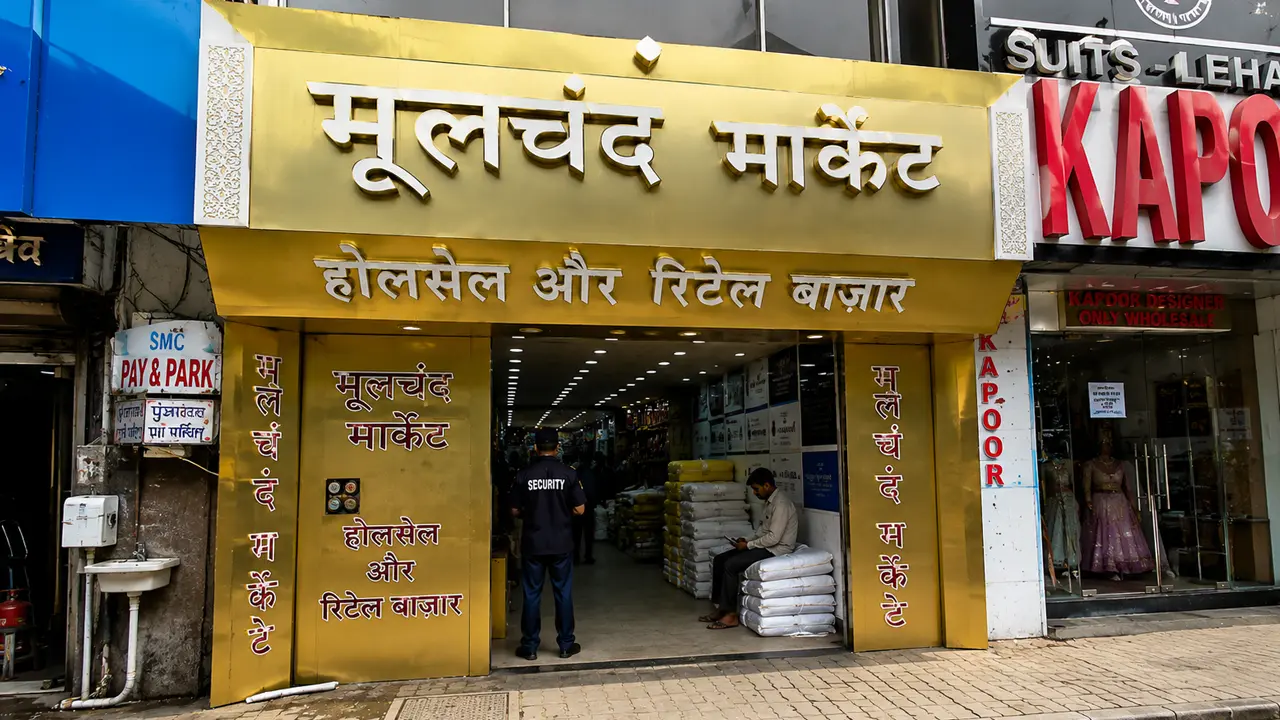
Direction / How to Reach
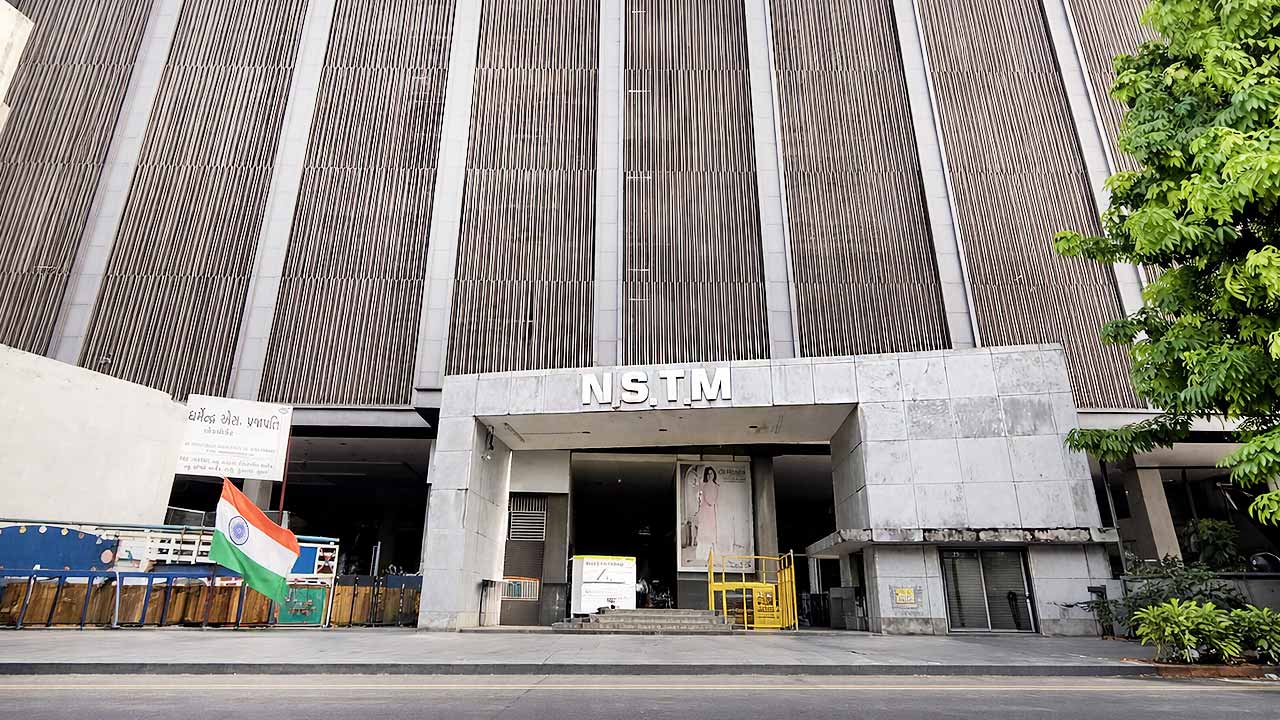
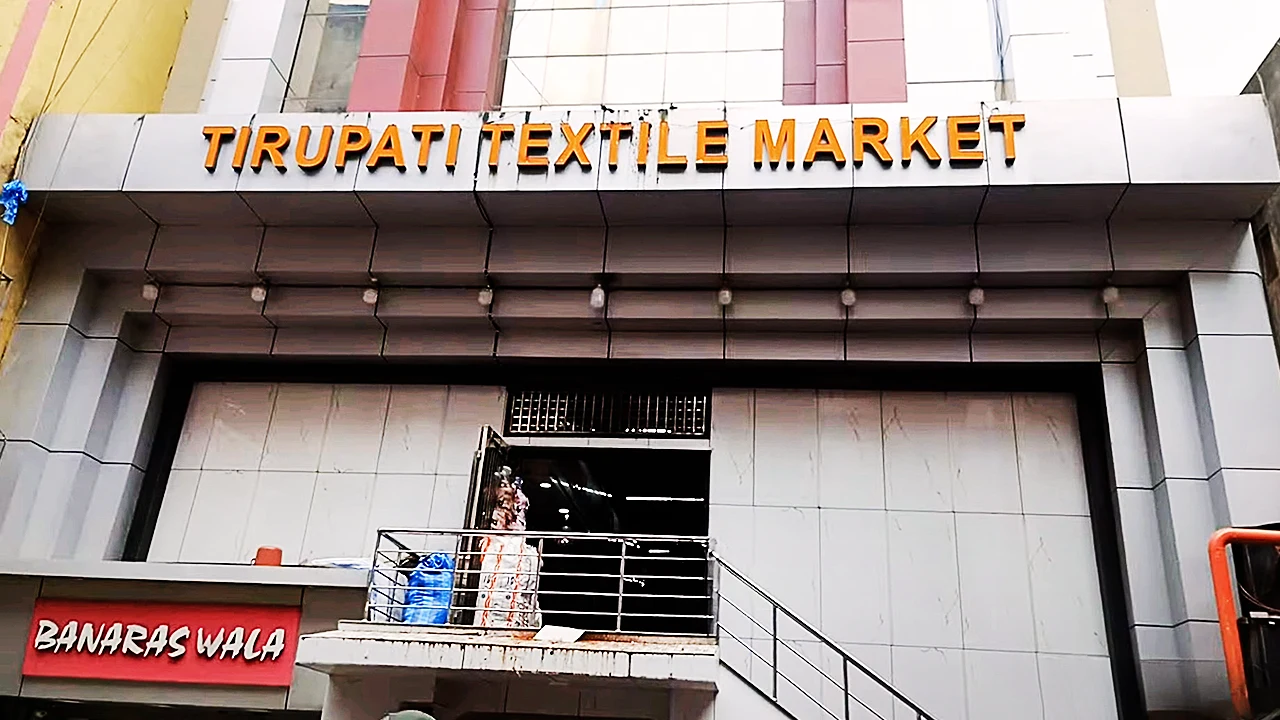
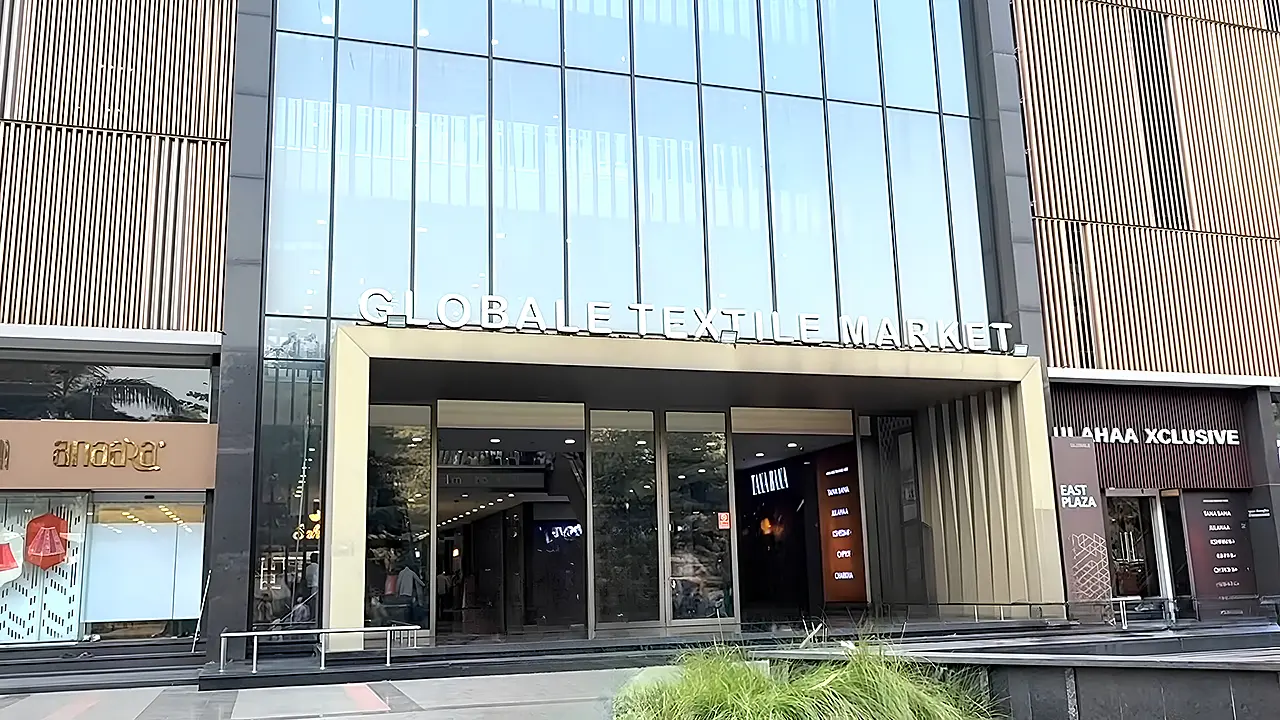
Mulchand Market sits directly on the primary Ring Road line in the heart of Surat’s textile district.
| Transit Point | Distance / Time |
|---|---|
| Surat Railway Station | 2 KM / 10-15 Mins |
| J J A.C. Textile Market | 160 Meters / 2 Mins |
| Surat Textile Market | 150 Meters / 2 Mins |
About Market
Established in 1984, Mulchand Market is one of the well known textile markets in Surat.
The market has an older style building with multiple floors and many small shops located close to each other. Unlike modern shopping malls, it is a busy wholesale market designed for textile trading.
The lower floors have shops that serve retail customers as well as small traders, while the upper floors are mainly occupied by wholesalers dealing in bulk fabrics that are cut, packed, and supplied to buyers.
Who Should Visit / Who Should Avoid
| Who Should Visit | Who Should Avoid |
|---|---|
| Wholesale clothing merchants looking for low-range startup garments. | Shoppers looking for a modern, high-end mall environment. |
| Retail buyers searching for budget wedding wear and festive wear. | Individuals requiring wide, spacious pathways or quiet walking spaces. |
| Wedding shoppers looking to purchase heavy bridal lehengas and party wear dresses. | Bulk buyers seeking strictly high-end premium designer labels. |
| Retailers focusing specifically on mass-market daily wear printed sarees. | Visitors requiring open layout storefronts and large public sitting lounges. |
Saree & Lehenga Hub on Ring Road Surat
Mulchand Market is well known for its wide collection of sarees, lehengas, and kurtis at affordable wholesale prices.
Many shops display sarees starting from ₹60 and daily wear kurtis starting from ₹60, although prices may vary depending on the shop and product quality.
The market is popular with retailers, resellers, and budget shoppers looking for quality ethnic wear at competitive prices. You can find cotton sarees, printed sarees, fancy sarees, designer sarees, daily wear kurtis, party wear kurtis, readymade ethnic wear, and lehengas in a wide range of fabrics, colors, and designs.
Buyer Tips
- Explore All Floors: Visit different floors to discover more shops, product varieties, and wholesale options.
- Shop Early for Bridal Shopping: If you’re buying bridal lehengas or wedding outfits in bulk, visit earlier in the day for a more relaxed shopping experience and better product selection.
- Visit Nearby Markets: Since the market is on Ring Road, you can also explore nearby textile markets to compare prices and collections in one trip.
Mistakes to Avoid While Visiting
| Risk | How to Avoid It |
|---|---|
| Middlemen & Brokers | Visit shops on your own instead of relying on street agents or auto drivers to avoid unnecessary commission charges. |
| Ignoring Nearby Markets | Since several major textile markets are within walking distance, compare collections before making a final purchase. |
| Crowd & Traffic Delay | Skip late evening visits to avoid tight, packed corridors and heavy vehicle congestion. |
| Missed Discounts | Buy clothes in standard bulk sets rather than loose pieces to secure lower wholesale prices. |
Market Facilities / Amenities
- Garment Alteration Desks: Houses on-site tailoring and resizing desks within multiple retail units to manage swift ethnic wear sizing updates directly on the spot.
- Manufacturer Packing Counters: Features dedicated bulk packing and folding spaces inside the upper wholesale units to prepare commercial bundles for freight collection.
Bridal Lehenga Hub on Ring Road
Beyond basic daily garments, the multi-floor complex maintains a dedicated collection of festive attire.
It stands out by housing specialized manufacturers supplying heavily detailed bridal lehengas, fancy wedding dresses, and party-wear sets.
It also operates as a niche source for kids’ lehengas, which are typically harder to find in large varieties across the surrounding commercial textile lanes.
Important Things to Know Before Visiting
- Nearby Dining Options: Positioned close to multiple local restaurants and traditional roadside food spots right outside the market, where visitors can enjoy Vaishali Vadapav, samosa, dabeli, lassi, chole bhature, Purohit thali, and Gujarati or Punjabi thalis.
- Safe Paid Flyover Parking: Visitors are highly advised to park their personal cars and two-wheelers under the flyover bridge nearby, which provides safe parking space for 10 to 20 Rupees depending on the vehicle type.
What Not to Expect
- Luxury Amenities: Do not expect large spacious food courts, central air conditioning plants, or elevators matching a luxury retail mall.
- Zero Crowds: Do not expect quiet, uncrowded lanes, as the main street location stays heavily active with local transport and corporate buyers.
Buyer Information Box
- Order Processing: Wholesale transactions require minimum bulk packaging lots, but selected ground-level manufacturers do allow retail purchases for bridal wear.
- Alternative Retail Sourcing: If your business goal shifts strictly toward retail shopping beyond this location, visiting Old Bombay Market is highly recommended as a strong alternative choice.
FAQ Section
Is Mulchand Market strictly wholesale or can regular retail shoppers buy clothes there?
The market functions as a mixed hub, offering wholesale, semi-wholesale, and retail shopping options.
Where is the best place to park a vehicle when visiting this market?
It is highly recommended to park your vehicle under the nearby flyover bridge, which offers safe paid parking for 10 to 20 Rupees.
What are the starting price points for budget clothes at this market?
Saree options and daily wear kurtis feature competitive startup rates beginning at 60 Rupees.
How far is the market located from the closest transit terminal?
The market sits right on main Ring Road, approximately 2 kilometers away from the Surat Railway Station.
Does the market feature good places to eat lunch during a long buying trip?
Yes, the immediate street front right outside the market is packed with popular food spots serving local items like vadapav, samosa, chole bhature, and traditional Punjabi or Gujarati thalis.